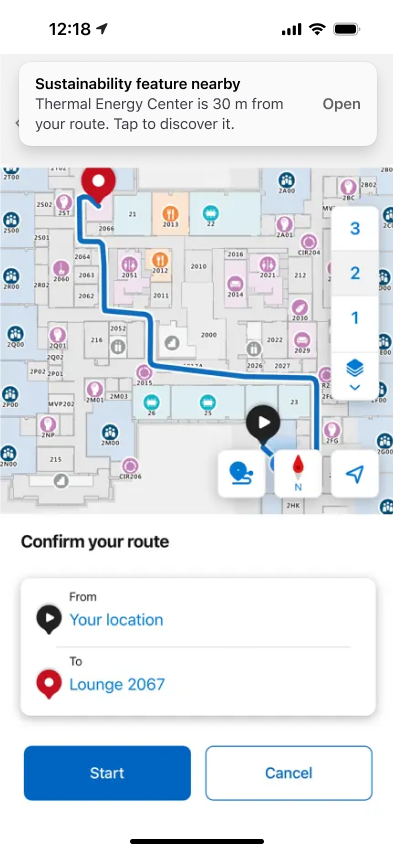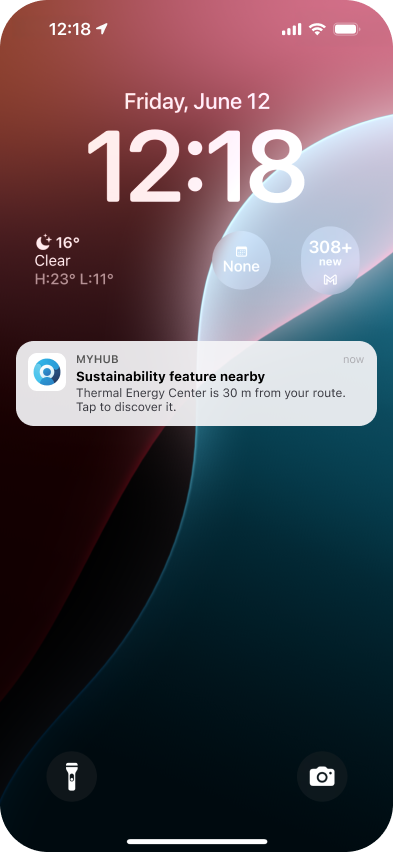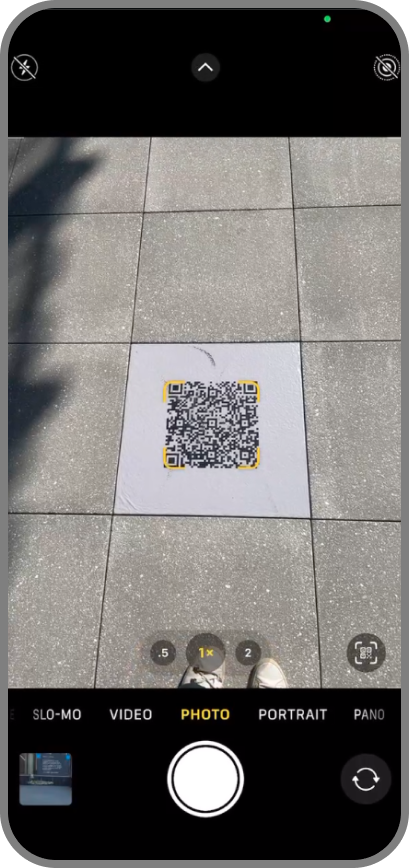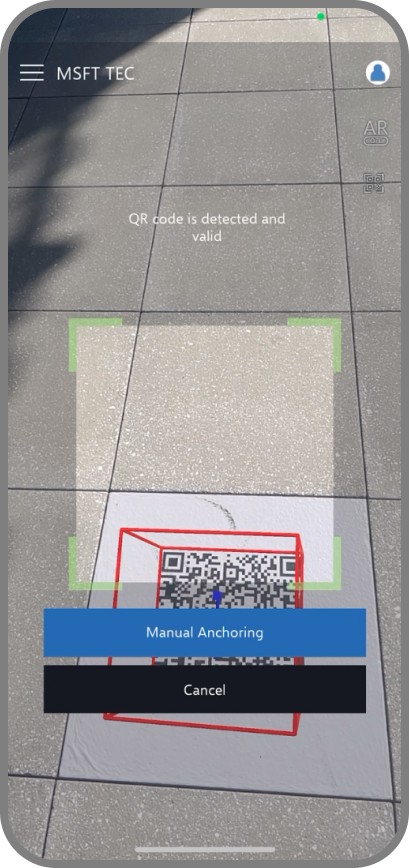
Microsoft had built extraordinary sustainability into the campus. The hardest stories were the ones physical space couldn't explain on its own.
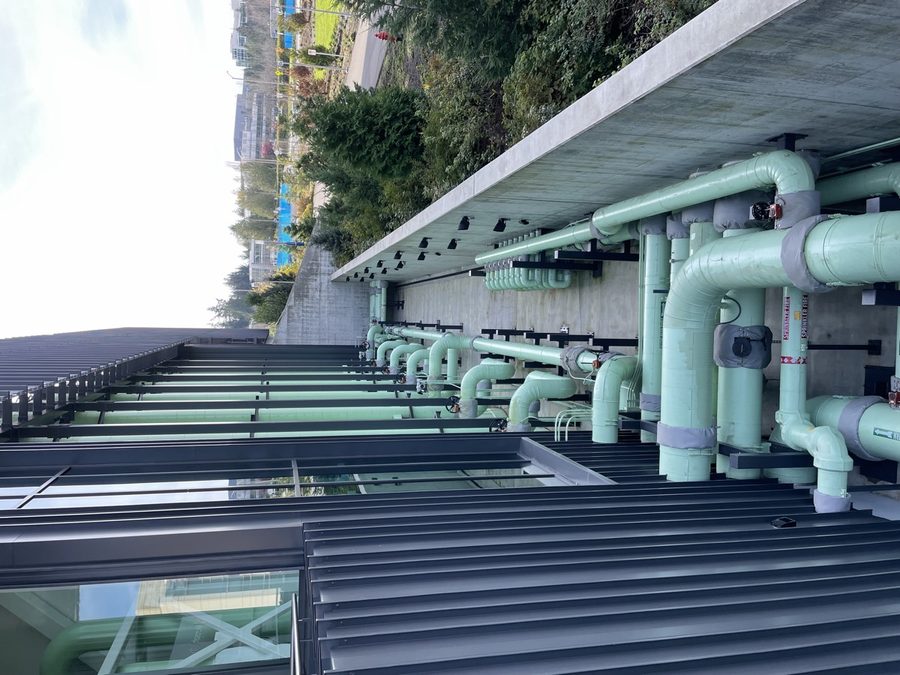
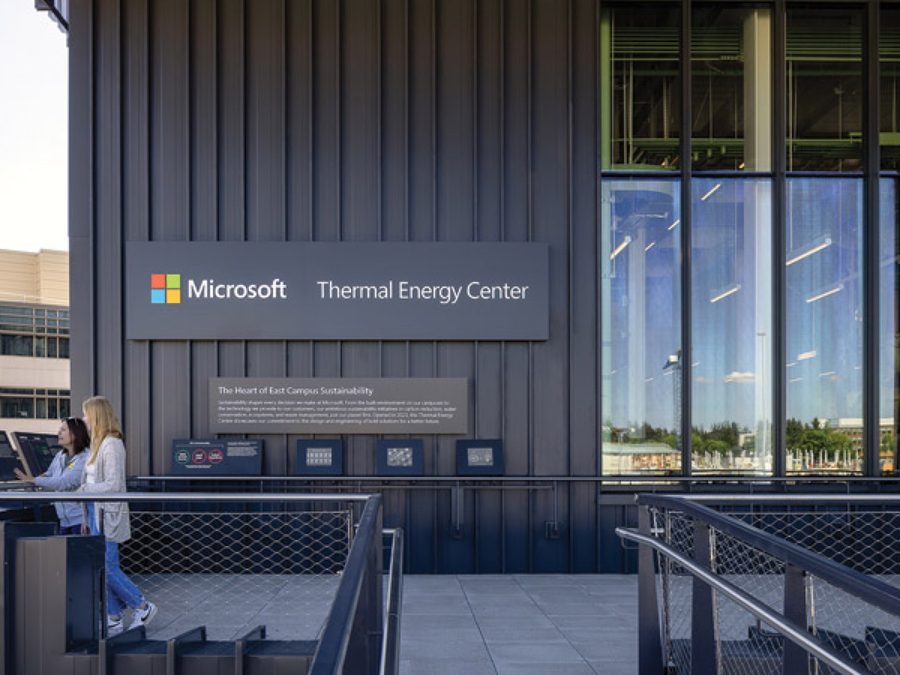
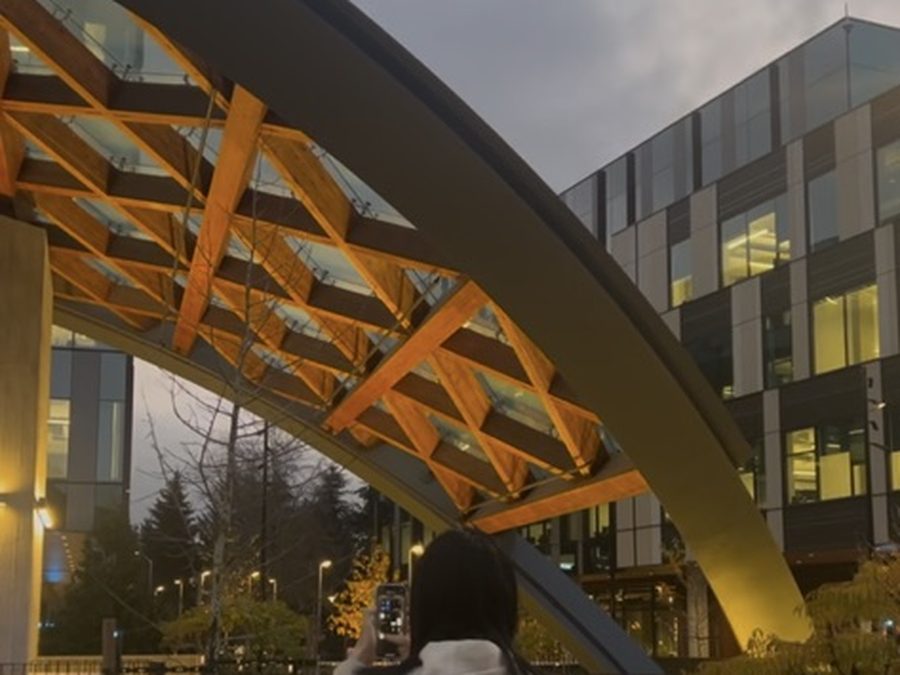
During a joint review, the East Campus Modernization team surfaced a simple problem: "We have all this incredible infrastructure and nobody knows it exists." That observation became the real brief.
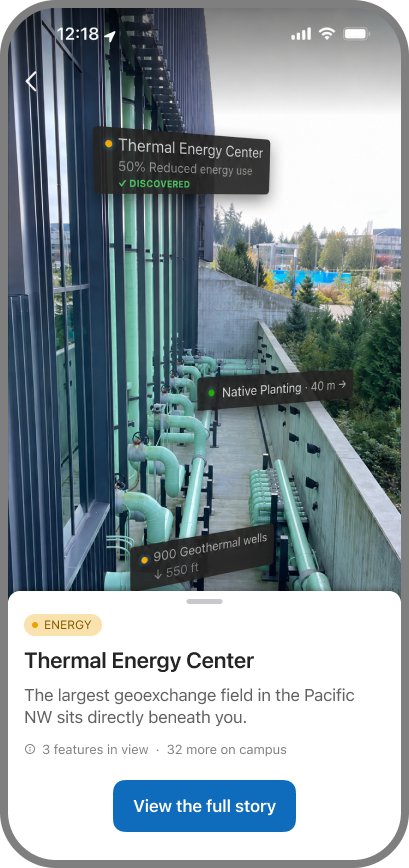
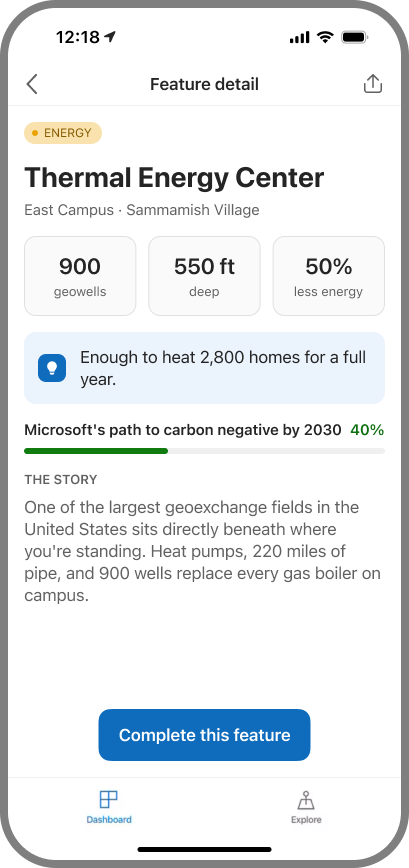
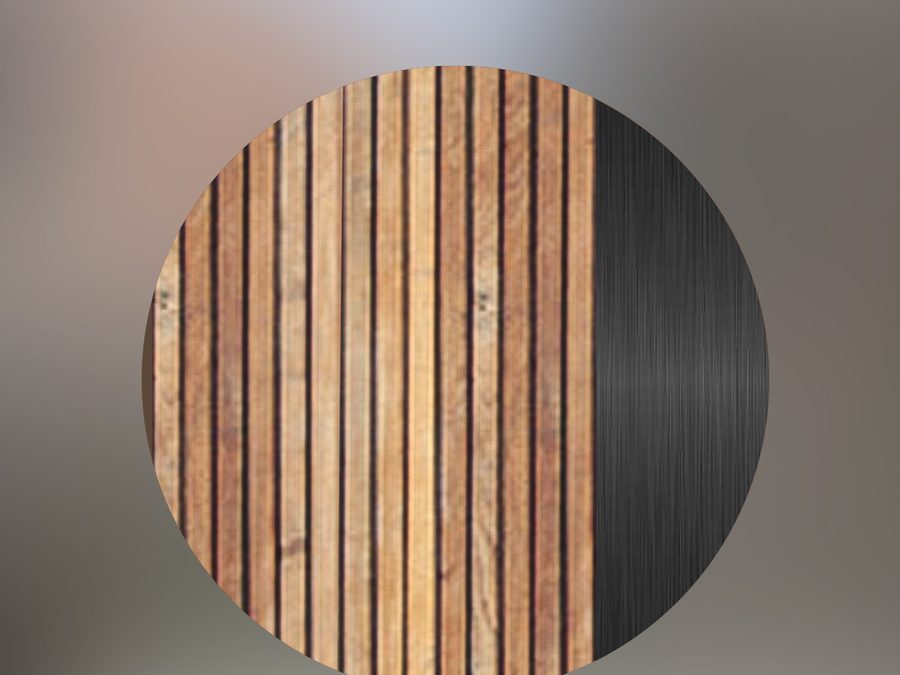
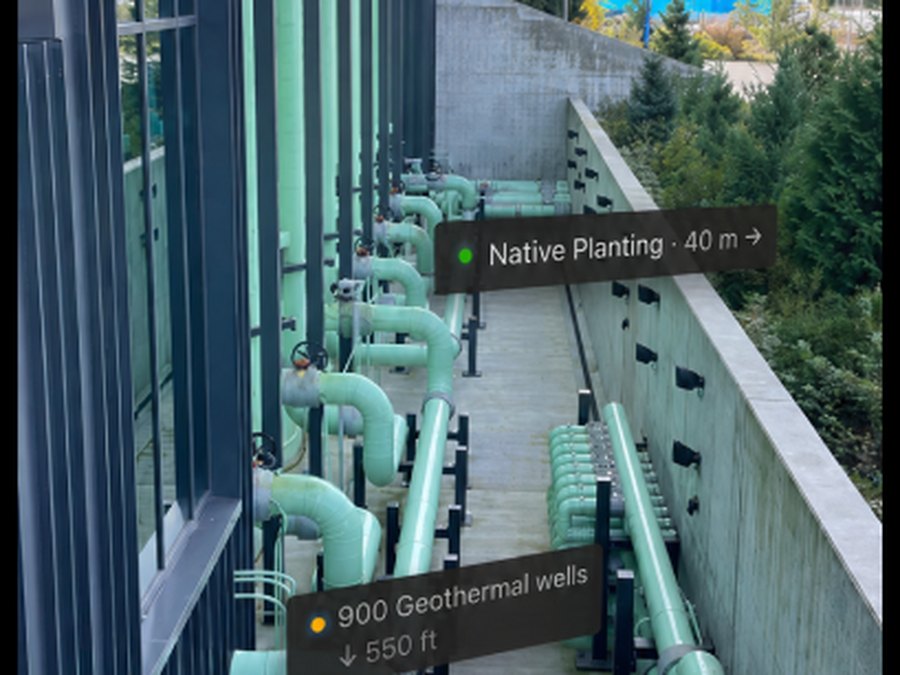
Nine hundred geothermal wells sit 550 feet underground. Roughly 220 miles of pipe run beneath the campus. Trees cleared during construction were milled into furniture inside the buildings.
Physical signage works beautifully when the subject is visible, fixed in one place, and understandable from where you're standing. But many of the campus's strongest sustainability stories were buried, distributed, or separated from the place where their meaning could be explained. One reused-timber story was removed from the exterior signage program with a single note: "Not clearly visible from the exterior."
The problem wasn't a lack of information. The information and the place were no longer always in the same spot.
So I didn't start by asking how to make better signs — or how to use AR.
I asked what medium could reveal an invisible, distributed, changing campus in context.
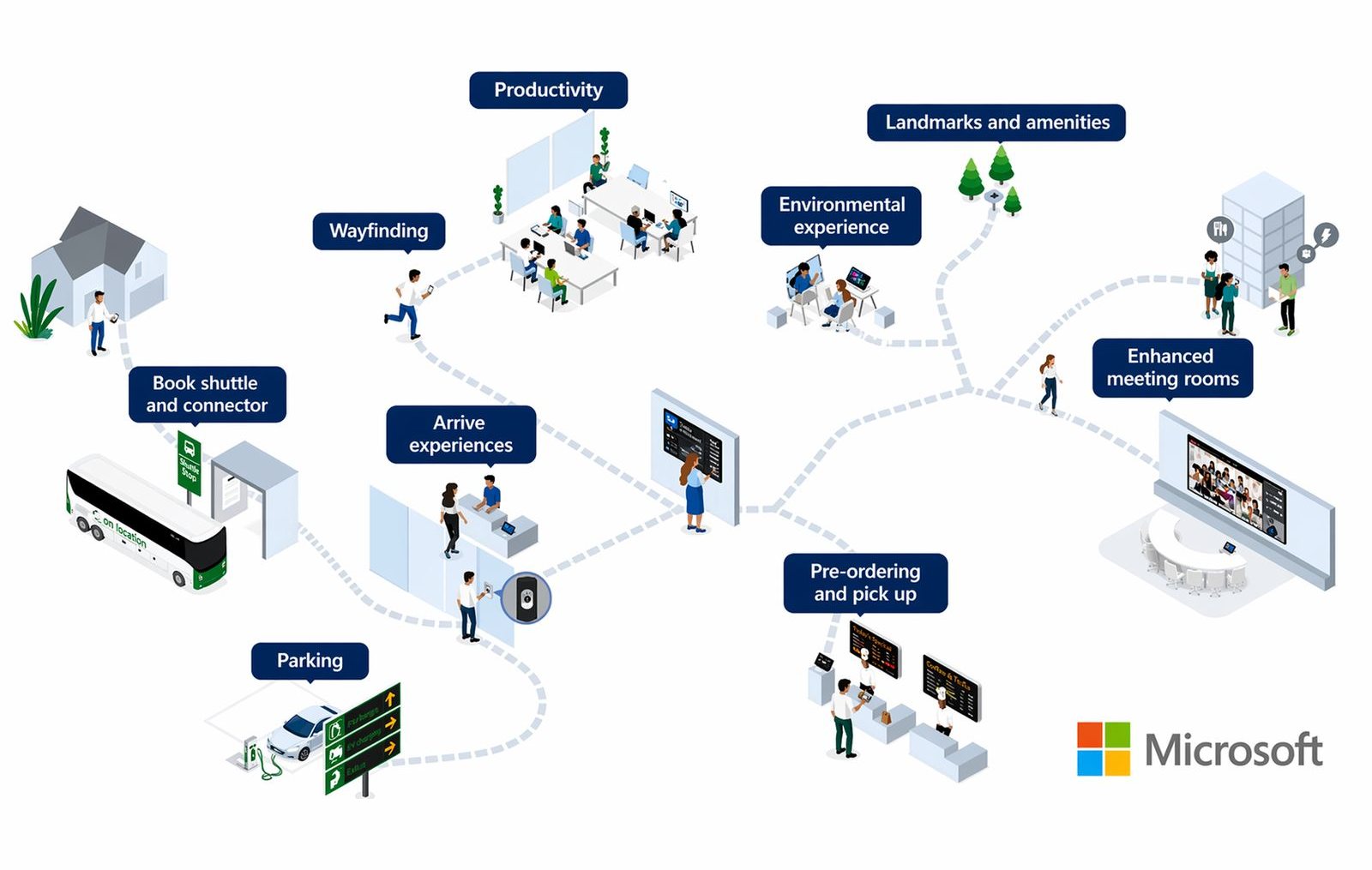
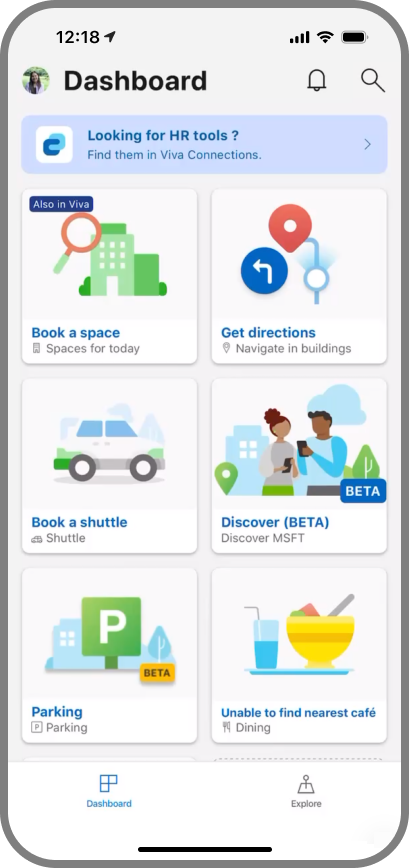
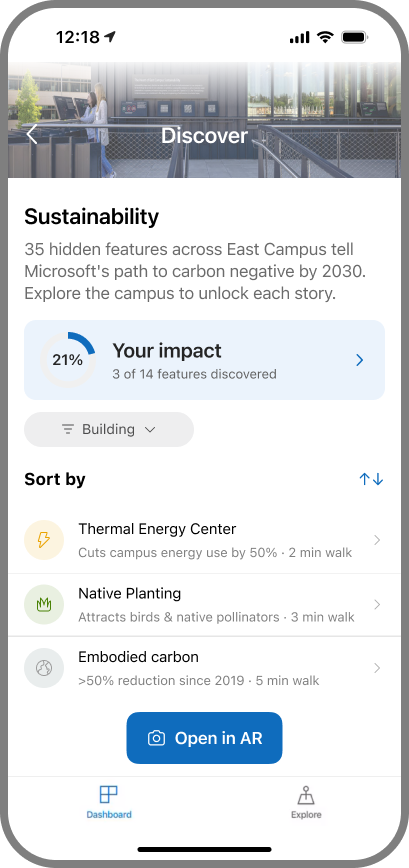
That question led to a contextual digital layer inside MyHub.
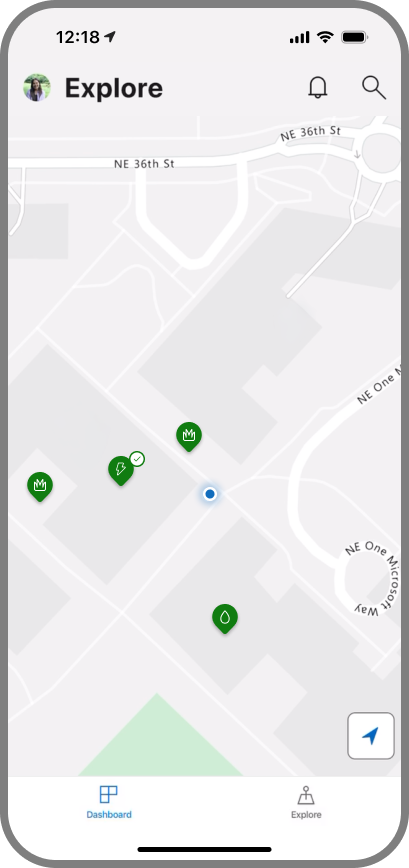
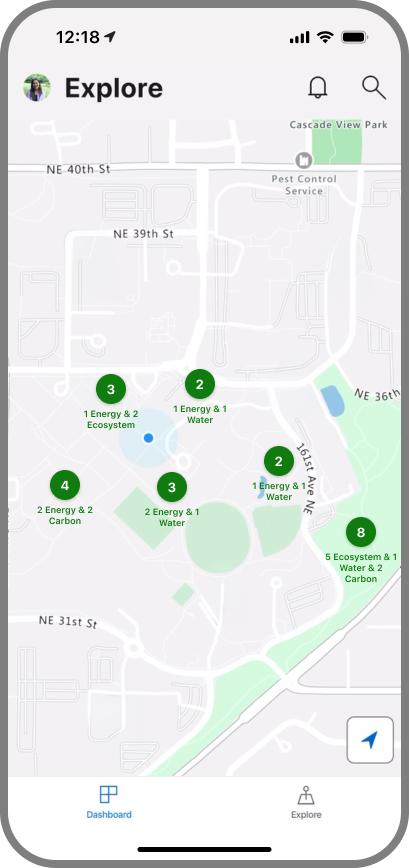
Location → surface nearby stories
Map → connect distributed systems
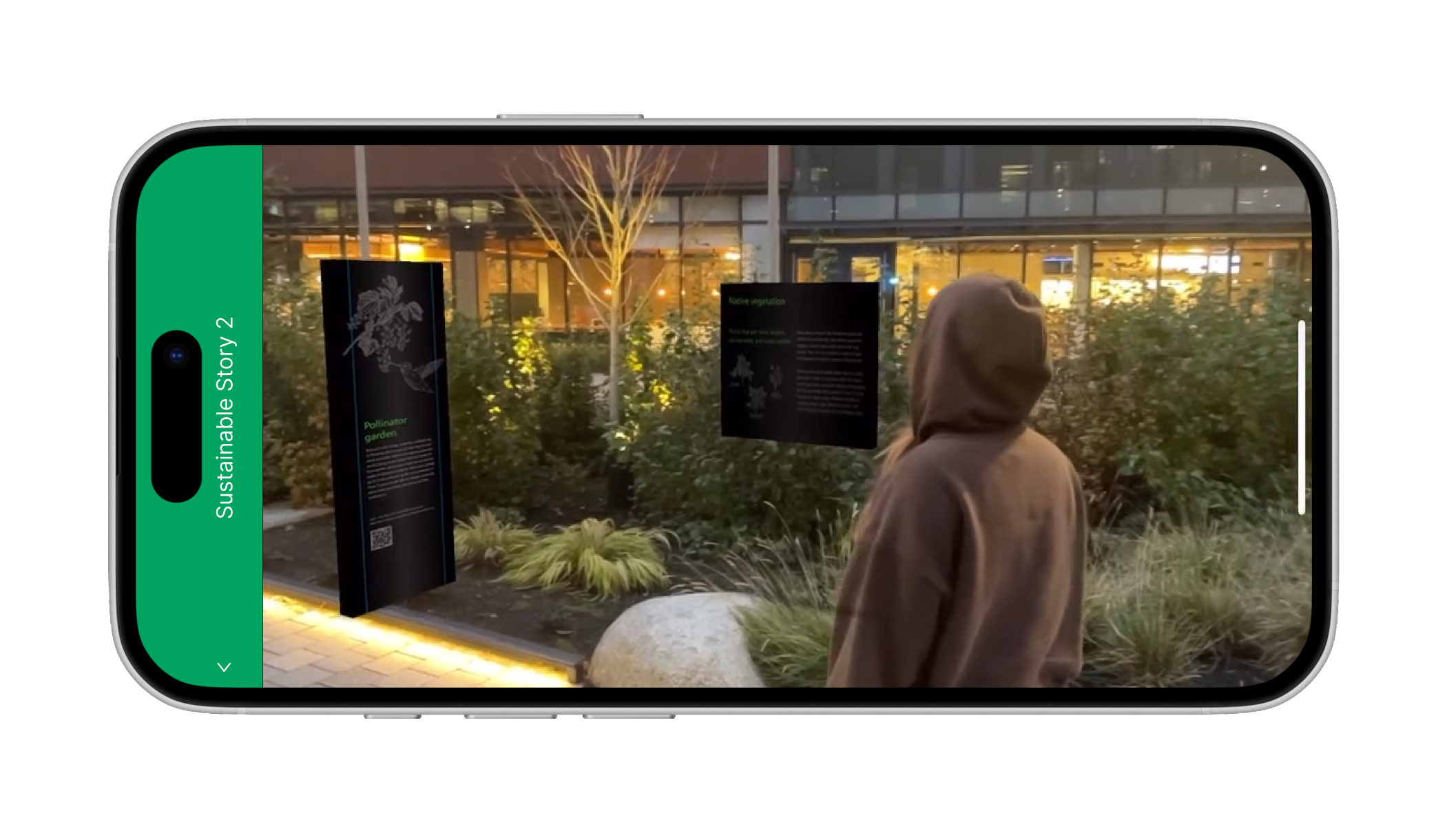
Camera / AR → reveal the invisible
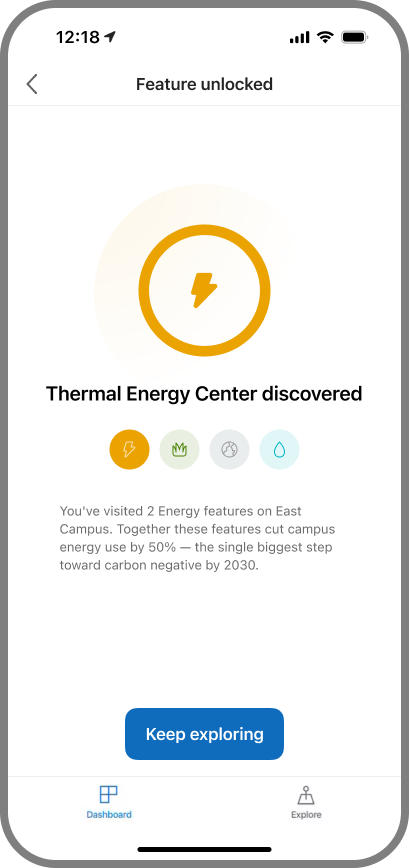
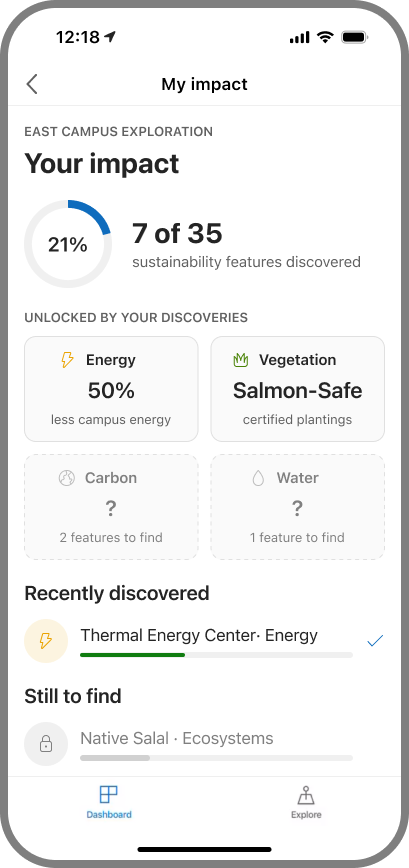
Personal state → remember discoveries
A sign waits for you to find it. A digital layer can know what you're standing next to.